Resources & Information
Why You Should Book Your Thermal Imaging Survey Before Winter
When energy bills rise in winter, most homeowners start looking for solutions after the problem appears. And the heat is escaping by then, demand for tradespeople is at its peak, appointments are scarce and small issues have already turned into expensive heat loss.
At Ignite Property Group (IPGL), we see this pattern every year across Andover, Winchester, Southampton and the wider Hampshire area. The homeowners who save the most are not reacting in winter, they are the ones preparing in late summer.
If you want to reduce heat loss, improve EPC performance and understand where your home is wasting energy, the first step is usually a professional Thermal Imaging Survey.

Why Thermal Imaging Surveys Are Seasonal (and Why That Matters)
Thermal imaging is one of the most effective ways to identify heat loss but only when conditions are right. It works by detecting surface temperature differences across your home’s structure. For those differences to be detected, there must be a clear contrast between indoor and outdoor temperatures.
This is known as the Delta-T requirement (temperature difference threshold), commonly around 10°C or more for reliable results under BS EN 13187 guidance.
Without that contrast:
- Insulation gaps disappear visually
- Cold bridging becomes unclear
- Readings become unreliable
In summer, indoor and outdoor temperatures are often too similar to produce usable data, which is why surveys are scheduled for autumn and winter. By booking your survey in August, you secure your slot for the cooler autumn and winter months, ensuring you have the data you need exactly when conditions are perfect for a diagnosis.
Learn more about how we assess homes.
The Heat UK Homes Are Losing (And Why It Adds Up Fast)
Most homes lose heat faster than homeowners realise, trusted UK data consistently shows:
- Up to 25% of the heat lost through the roof
- Significant losses through cavity walls and floors
- Ongoing losses through draughts and weak seals
These figures are widely supported by organisations including the Energy Saving Trust, which highlights loft insulation as one of the highest-impact efficiency upgrades available and with the fastest payback improvements in UK homes.
But exactly how much can insulation save you? Consumer protection group Which? compiled independent cost and savings data to highlight the financial impact of bringing a home up to standard:
|
Upgrade Type |
Scope of Work |
Estimated Annual Savings (Which? Data) |
| Loft Insulation Upgrade | Going from 0mm to the regulation 270mm standard | £210 to £390 per year |
| Cavity Wall Insulation | Filling standard uninsulated external wall voids | £120 to £420 per year |
| Floor Insulation | Sealing and insulating under-floor gaps | £45 to £120 per year |
Over time, proper insulation completely pays for itself through these reduced energy bills.
Review the complete breakdown on Which? Home Insulation Savings and Grants.
Why Loft Insulation Matters More than Most Upgrades
Loft insulation is not a “nice to have” - it is the baseline layer of efficiency. UK Building Regulations (Approved Document L) recommend around 270mm of mineral wool insulation in modern standards.
Many older homes still have:
- 100mm or less
- uneven or compressed insulation
- gaps around storage areas
That means a large percentage of heating energy is simply escaping through the roof.
Independent cost modelling (including consumer comparison platforms such as MoneySuperMarket-style guidance) consistently shows insulation improvements can reduce annual energy bills significantly, depending on property type.
Read about Loft insulation upgrades.
Why August Is the Best Time to Prepare
Even though thermal imaging is not possible in summer, August is the most useful planning window of the year.
Here’s why:
- You avoid winter waiting times: Survey demand spikes as soon as temperatures drop.
- You secure priority inspection slots: Cold-weather conditions are limited and tightly scheduled.
- You fix problems before the heating season begins: Small issues identified early prevent wasted energy all winter.
- You reduce total winter running costs: Insulation improvements start saving money immediately once heating begins.
Three Simple Checks You Can Do This Month
Before booking a professional survey, there are a few practical checks every homeowner can do.
1. Check your EPC certificate.
Your EPC (Energy Performance Certificate) gives a baseline view of how your home performs.
Look for:
- “Cavity wall: as built” → likely uninsulated
- Low loft insulation depth
- Ratings below C (common in older housing stock)
If your EPC flags weak insulation, it is usually worth a professional inspection. Book a survey here.
2. Inspect the Loft Hatch
The loft hatch is one of the most overlooked sources of heat loss.
Check for:
- Missing or damaged seals
- No insulation layer on the hatch
- Visible draught gaps
Even small leaks here can significantly reduce overall insulation performance.
3. Check Bathroom Extractor Fans
Extractor fans often fail in a hidden way; their backdraft flaps stick open.
Test:
- Turn fan on
- Switch it off
- Confirm flap fully closes
If it stays open, warm air escapes continuously during winter.
The IPGL Approach:
We focus on practical outcomes, not guesswork.
A typical home improvement pathway looks like this:
|
Stage |
What Happens |
Outcome |
| August–September | EPC review + basic checks | Early risk identification |
| Autumn | Thermal Imaging Survey | Heat loss mapped clearly |
| Winter prep | Insulation upgrades | Reduced energy loss |
Our Core Services
At Ignite Property Group, we focus on targeted energy efficiency improvements.
A full infrared inspection of your property identifying:
- Heat loss points
- Insulation gaps
- Cold bridging
- Draught pathways
We install insulation to modern standards (typically 270mm depth), improving thermal retention and reducing heating demand. This is consistently one of the highest ROI home improvements according to Energy Saving Trust data.
We assess and install modern cavity wall solutions using appropriate materials for long-term thermal performance. Poor or missing cavity insulation is one of the most common causes of unnecessary heat loss in UK homes.
For new builds or recent renovations, we identify thermal and insulation defects before they become long-term issues.
Most homes don’t suffer from one major problem; instead, they suffer from small, cumulative inefficiencies. The advantage of acting in August is simple: you move from reacting to heat loss to controlling the outcome by being able to guarantee a survey is booked.
If you want a clear, evidence-based understanding of where your home is losing heat, start with a Thermal Imaging Survey from Ignite Property Group.
Frequently Asked Questions
Why can’t thermal imaging be done in summer?
Thermal surveys rely on a temperature difference between inside and outside (typically around 10°C). Without that contrast, heat loss patterns cannot be accurately identified.
How much heat loss comes from an uninsulated home?
The Energy Saving Trust reports that around 25% of heat can be lost through an uninsulated roof alone, making loft insulation one of the most effective upgrades available.
How much can loft insulation save?
Depending on the property, loft insulation upgrades can reduce heating demand significantly and are often among the fastest payback energy efficiency improvements, according to Which.
What if my cavity wall insulation is outdated?
Older or poorly installed cavity insulation can underperform or fail over time. A professional survey is needed to determine whether topping up, replacing or removal is required.
Is insulation worth doing before winter?
Yes because the savings start immediately once heating is in use. Waiting until winter often means paying higher bills for longer.
Related
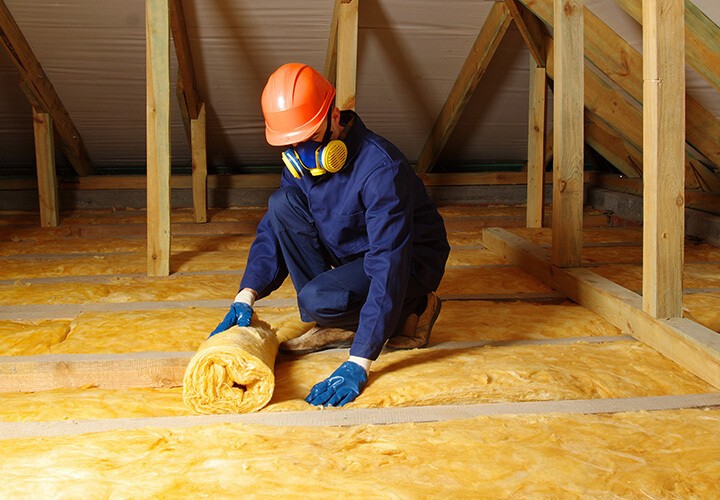
Prepare Your Home for Winter with Insulation
In our blog, we highlight the importance of cavity wall and loft insulation for keeping your home warm and energy-efficient during the colder months. Prepare your home for winter by scheduling a free survey with us today.
Read More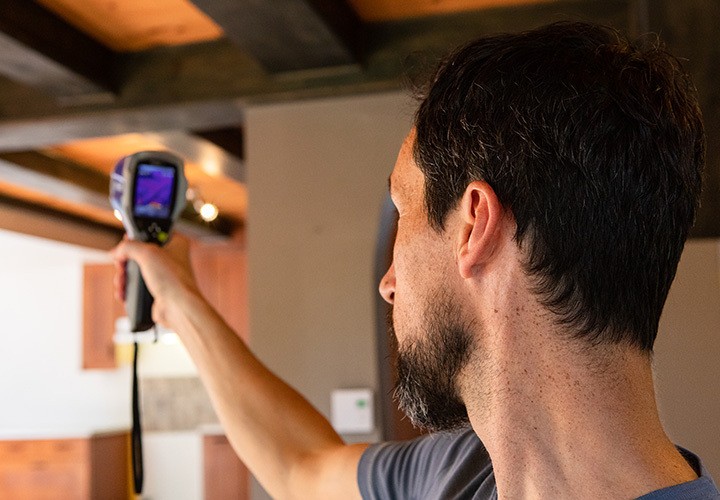
Winter Ready Home: The Importance of Thermal Imaging Surveys
To avoid these seasonal challenges, a thermal imaging survey is an essential step in preparing your home for winter. Discover how Ignite Property Group can help you this season.
Read More