Resources & Information
Why Is My House Cold Even When the Heating Is On? 7 Things to Check
You’ve got the heating on, but the house still feels cold. Perhaps one room never seems to warm up, the floors feel chilly, or you’ve noticed certain parts of the walls are noticeably colder than others.
This can happen for several reasons. Poor insulation, draughts, windows, ventilation and external walls can all affect how warm a room feels. In some cases, persistently cold surfaces can also contribute to condensation and mould.
There are several things worth checking when a home feels colder than it should. Here are seven things to consider when investigating the cause and how Ignite Property Group can help.
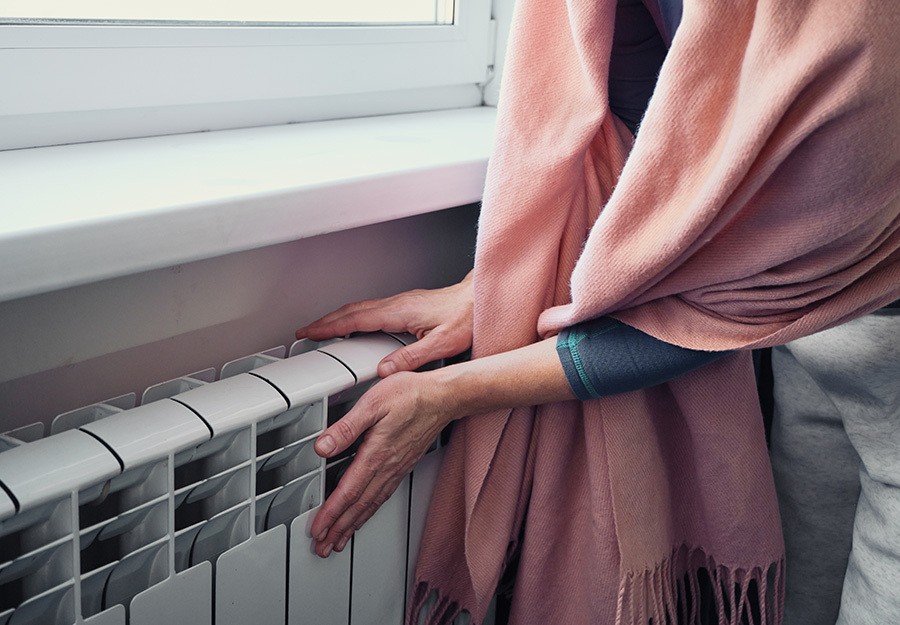
1. Where Is Your Home Feeling Cold?
If your home feels cold, start by looking at where you notice the problem. Is it one section of an external wall, a corner of the room, the area around a window or a particular room that never seems to warm up properly?
External walls are exposed to colder outdoor temperatures so their internal surfaces can become colder than other areas of the room. Windows, corners and points where different parts of the building meet can also show noticeable temperature differences.
You cannot identify the cause by touching the wall alone but a recurring cold area gives you somewhere specific to investigate.
A thermal imaging survey can show surface temperature differences across the area, making it easier to see how it compares with the surrounding parts of your home. If you want to understand what a survey can show, IPGL's Thermal Imaging FAQs explain more about the process and what homeowners can expect.
2. Are Condensation and Cold Spots Appearing Together?
Condensation occurs when moisture in warm indoor air comes into contact with a colder surface. It is common to see it on windows after cooking or showering but it can also develop on colder sections of walls and in less visible areas.
GOV.UK’s Home Ventilation Guide guidance explains that everyday activities such as cooking, showering, washing and breathing add moisture to the air. Without effective ventilation, that moisture can remain inside the property and form condensation, particularly when surfaces are cold.
If condensation repeatedly appears on the same wall, window or corner, it is worth looking at why that surface may be colder.
Ventilation can be part of the picture but the amount of moisture inside the property and the temperature of the surrounding surfaces can also affect where condensation forms. A cold spot alone cannot tell you exactly what is causing the problem.
3. Why Is Mould Appearing Behind the Wardrobe?
Mould behind a wardrobe can be frustrating because you may not notice it until furniture is moved.
The position of the furniture can be relevant. A wardrobe placed close to an external wall can restrict air movement around a colder surface, creating conditions where condensation is more likely.
GOV.UK guidance on damp and mould recognises that condensation can occur on colder surfaces and in areas where air circulation is restricted.
That does not mean the wardrobe is causing the underlying problem. A colder external wall combined with restricted air circulation can make the area more prone to condensation.
If the same area keeps developing condensation or mould, looking at the temperature pattern across the wall can provide another useful piece of information.
4. Could the Problem Be Around a Window or Door?
Windows and external doors are worth checking if you have noticed condensation or a noticeable temperature difference. It is also important to look at the surrounding wall as well as the glass itself.
Does the cold area extend beyond the window? Does condensation appear around the frame? Is there a particular section of wall that feels noticeably different? These observations can help establish whether you are dealing with a localised issue or a wider pattern.
Thermal imaging can be useful here because it allows surface temperature differences to be identified across larger areas of a property without opening walls or removing finishes.
RICS explains that building thermography can help identify anomalies including cold bridging, air infiltration and missing insulation.
A thermal image shows differences in surface temperature. It does not, on its own, establish exactly why those differences are present. Further investigation may be needed to establish the cause.
5. What Changes When You Turn the Heating On?
The return of regular heating can make temperature differences around your home much easier to notice.
Heating warms the air inside the property, but surfaces around the room do not all respond in the same way. External walls, windows and colder areas can remain at lower surface temperatures.
This difference is also important when carrying out thermal imaging. A suitable temperature difference between the inside and outside of a property creates the contrast needed to identify differences in surface temperature which can be easier to see in colder weather when the interior is heated.
If you are thinking about arranging a survey this autumn or winter, read IPGL's guide to the best time for a thermal imaging survey for more information about the conditions that can affect a survey.
6. What Can Thermal Imaging Tell You?
Thermal Imaging creates a visual representation of surface temperature differences. These patterns can highlight areas that need closer investigation, such as sections of a wall that are noticeably colder than the surrounding surface.
RICS also identifies missing or incomplete insulation, cold bridging, dampness and air infiltration among the issues that building thermography can help investigate.
A colder area does not necessarily have one explanation. It could relate to the construction of the property, insulation, air movement, moisture or the way different parts of the building meet. This is why thermal imaging should be interpreted alongside information about the property.
If you want to understand what happens during an IPGL survey, read Our 5-Step Thermal Imaging Process. This explains how the survey is carried out and what is included in the report.
7. Could Insulation Be Contributing to the Problem?
A cold area can sometimes point towards an insulation issue but it should not automatically be assumed to be the cause.
Gaps or inconsistencies in insulation can create colder areas within a property. The condition of existing insulation can also be relevant, particularly in older properties or where previous insulation work has been carried out.
This is why thermal imaging can be useful before deciding what work may be needed. It can show where temperature differences occur, giving you more information about the areas that may need further investigation.
If an insulation issue is identified, the appropriate next step depends on the property and the location of the problem. IPGL provides loft insulation and cavity wall insulation for suitable properties.
A Home Feeling Cold Can Have Several Possible Causes.
A recurring cold patch, condensation in the same location or mould appearing in the same area can provide useful clues about what may be causing the problem.
Before arranging a survey, make a note of where you have noticed the issue and when it tends to appear. You could also photograph recurring condensation or mould so you have a record of what you have seen.
If the problem continues once your heating is running regularly, a thermal imaging survey can show temperature differences across the property and help identify areas that may need further investigation.
Frequently Asked Questions
Can thermal imaging detect mould?
Thermal imaging does not detect mould itself. It can highlight temperature differences that may indicate areas where condensation could develop, helping identify locations that warrant further investigation.
Does a cold wall mean I need more insulation?
Not necessarily. Cold surfaces can have several causes, so the temperature pattern needs to be assessed alongside the property and its construction.
Can thermal imaging tell me if I have damp?
Thermal imaging can identify temperature patterns that may be associated with moisture, but it cannot measure moisture on its own.
Why does mould keep appearing behind my wardrobe?
A wardrobe close to an external wall can restrict air circulation around a colder surface, increasing the potential for condensation. If the problem keeps returning, the condition of the wall and surrounding area may need further investigation.
Is autumn a good time for thermal imaging?
Autumn is a great time to get thermal imaging as there is a temperature differences between outdoor temperatures and homes.
Related

Why You Should Book Your Thermal Imaging Survey Before Winter
Discover why late summer is the smartest time to plan thermal imaging surveys and insulation upgrades. Learn simple home checks, reduce heat loss and get your property winter-ready before demand rises.
Read More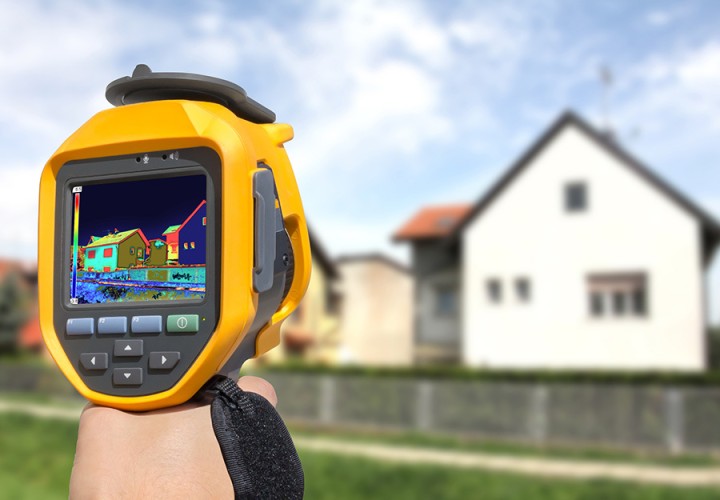
Securing Your Property Against Rising Energy Prices
If your property is leaking heat, you're already paying for it. This guide explains the importance of Thermal Imaging Surveys and how developers can reduce risk under new energy standards.
Read More