Resources & Information
Why Successful Social Housing Retrofit Programmes Start Long Before Winter
Every winter, the same pattern emerges across the UK’s social housing sector. Heating systems work harder, reports of damp and mould in social housing increase and reactive maintenance budgets come under pressure as housing providers respond to issues that often began months earlier.
For housing associations, local authorities and principal contractors, these are not isolated maintenance problems; they are indicators of wider housing asset energy efficiency failure.
The most successful social housing retrofit programmes do not begin in winter. They begin months earlier, using housing data, planned maintenance strategies and targeted surveys to identify where investment will deliver the greatest impact.
At Ignite Property Group (IPGL), we support this approach through high-capacity commercial retrofit insulation services, including commercial thermal imaging surveys, cavity wall insulation programmes, and retrofit defect analysis, helping housing providers deliver planned improvements before winter pressure increases.
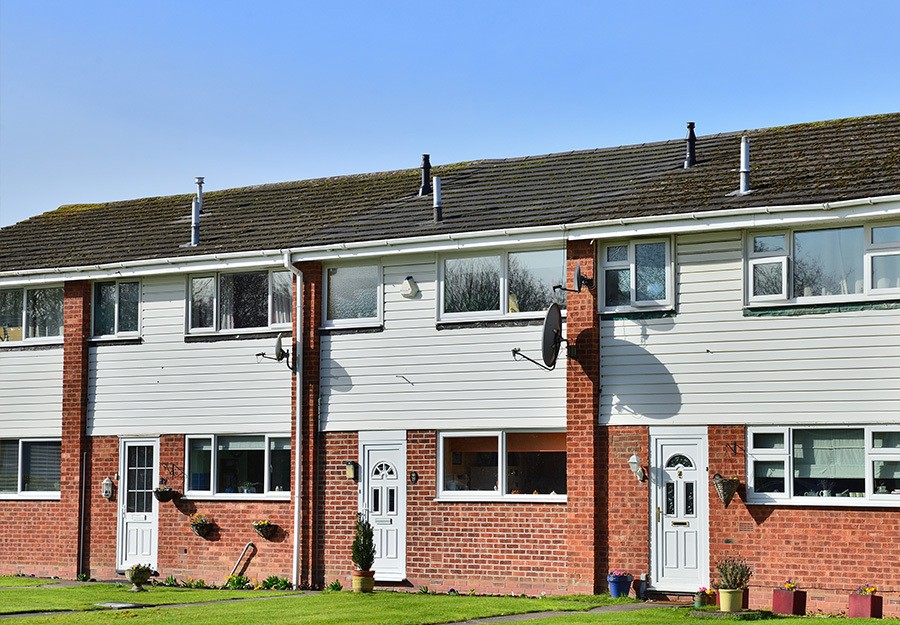
Why Reactive Repairs Are Becoming More Expensive
The cost of reactive maintenance in the social housing retrofit sector is rising due to a combination of regulatory pressure, energy inefficiency and tenant wellbeing concerns.
Key policy drivers include:
- Awaab’s Law (UK Government / Housing Ombudsman guidance) requiring faster action on hazards such as damp and mould.
- The UK Government’s Warm Homes Plan, focusing on improving energy efficiency and reducing fuel poverty.
- The ongoing requirement to meet Decent Homes Standard expectations and improve housing quality outcomes.
- The shift towards PAS 2035 retrofit standards, promoting whole-house energy retrofit planning.
The Housing Ombudsman continues to highlight that damp and mould remain one of the most common causes of complaints in social housing, reinforcing the need for preventative intervention rather than reactive repair cycles.
Industry Pressure Snapshot
|
Industry Insight |
Why It Matters for Housing Asset Management |
| Housing Ombudsman identifies damp and mould as a recurring complaint category | Signals a need for proactive housing asset management |
| Government Warm Homes Plan targets large-scale retrofit | Drives demand for planned social housing retrofit programmes |
| Energy efficiency targets push EPC improvement | Prioritises insulation-led retrofit investment |
| PAS 2035 mandates structured retrofit process | Requires survey-led, evidence-based decision-making |
The Data Already Exists; It Needs to Be Used
One of the biggest inefficiencies in housing asset management is not a lack of data, but a lack of structured use of existing data.
Most housing providers already hold:
- EPC register data
- Stock condition surveys
- Repair and maintenance logs
- Void inspection reports
- Tenant complaints (especially damp and mould cases)
- Previous insulation installation records
When combined, this forms a powerful baseline for social housing retrofit planning.
The Regulator of Social Housing increasingly expects landlords to demonstrate effective stock management and proactive maintenance planning:
Key Data Comparison
|
Data Source |
Retrofit Insight |
| EPC Ratings | Identifies low-performing homes requiring insulation upgrade |
| Repairs History | Flags repeat damp, mould or heating issues |
| Stock Condition Surveys | Identifies building archetype risks |
| Tenant Complaints | Highlights problem estates early |
| Void Reports | Opportunity to retrofit before re-letting |
Why Summer Is Critical for Retrofit Planning
Although commercial retrofit insulation work is typically delivered in colder months, the planning phase should take place in summer.
This allows housing providers to:
- Analyse EPC performance across stock
- Prioritise high-risk properties
- Review historical maintenance patterns.
- Identify estates with recurring damp and mould.
- Plan procurement frameworks in advance
- Prepare for PAS 2035-compliant retrofit delivery
Across the UK energy and housing sector, the evidence base for insulation-led retrofit is well established, but what matters in social housing delivery is how consistently these outcomes translate at portfolio scale.
The Energy Saving Trust continues to highlight that fabric-first measures remain the most effective way to reduce uncontrolled heat loss, particularly through roof and wall elements, which account for the majority of building fabric energy leakage in typical UK housing stock.
This becomes more significant when applied across entire housing portfolios, where even marginal improvements in insulation performance can materially reduce overall heating demand and pressure on tenancy energy affordability during peak winter periods.
Similarly, E.ON Next reinforces that building fabric improvements sit at the core of demand reduction strategies, particularly where ageing housing stock continues to rely on higher energy input to maintain adequate internal temperatures.
Why Thermal Imaging Still Matters (Timing Is Important)
Commercial thermal imaging surveys are most effective in autumn and winter when temperature differences allow accurate diagnostics however the planning should happen in summer to guarantee project delivery.
Under BS EN 13187, a minimum temperature differential of approximately 10°C is required to accurately identify thermal defects and insulation failure.
This makes thermal imaging a key diagnostic tool within structured social housing retrofit programmes, particularly for:
- Identifying missing or failed cavity wall insulation
- Detecting thermal bridging
- Highlighting air leakage pathways
- Locating condensation risk zones
- Supporting PAS 2035 retrofit assessment stages
IPGL Commercial Thermal Imaging Services
Delivering Retrofit at Scale
Effective housing retrofit programmes require structured delivery. IPGL supports housing associations, local authorities and contractors with scalable solutions designed around compliance, efficiency and long-term asset performance.
Our services include:
- High-capacity commercial retrofit insulation programmes
- Commercial thermal imaging surveys
- Cavity wall insulation installation and upgrades
- Cavity wall insulation extraction for failed systems
- Retrofit inspection and snagging services
- Survey-led PAS 2035-aligned retrofit planning
A Smart Retrofit Pathway
|
Stage |
Objective |
IPGL Support |
| Summer | Analyse EPC, repairs & stock data | Retrofit planning support |
| Early Autumn | Prioritise high-risk properties | Commercial survey planning |
| Autumn | Identify insulation & fabric defects | Thermal imaging surveys |
| Winter | Deliver planned retrofit works | Cavity wall insulation programmes |
| Ongoing | Ensure compliance & performance | Inspection & snagging services |
Successful social housing retrofit programmes don't start when winter arrives; they start with planning.
By reviewing housing data, prioritising higher-risk properties and scheduling surveys before temperatures drop, housing providers can make better investment decisions, reduce reactive maintenance and deliver retrofit programmes where they'll have the greatest impact.
At IPGL, we help housing associations, local authorities and principal contractors plan and deliver commercial retrofit insulation services backed by evidence, from thermal imaging surveys through to large-scale insulation installation. It's a proactive approach that supports compliance, improves housing performance and helps prevent winter problems before they arise.
Related
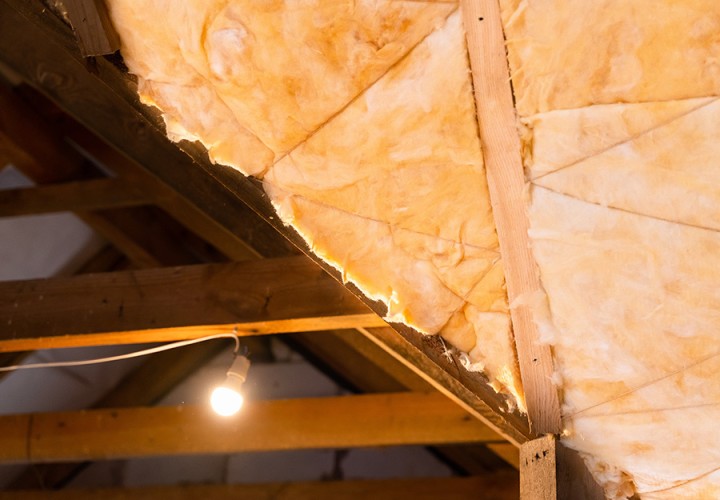
High-Capacity Retrofit and Insulation Delivery Across the South
An operational overview of our commercial delivery capabilities, including our supply chain role on the Bromford Housing scheme and our direct-delivery partnership with Winchester City Council.
Read More
Strengthening Your Social Value Score
Drive local wealth building in Hampshire with IPGL. Our Andover-based SME status ensures project spend stays in the regional economy while delivering at scale.
Read More