Resources & Information
Why Failed Cavity Wall Insulation Is Still Causing Damp Problems in Social Housing
Damp and mould continue to be a major challenge for housing providers managing ageing social housing stock. Housing associations and local authorities continue to invest significant resources into inspections, repairs and remediation works, yet many properties experience recurring issues year after year.
In some cases, the root cause isn't ventilation, tenant behaviour or isolated building defects. It's hidden within the cavity wall itself.
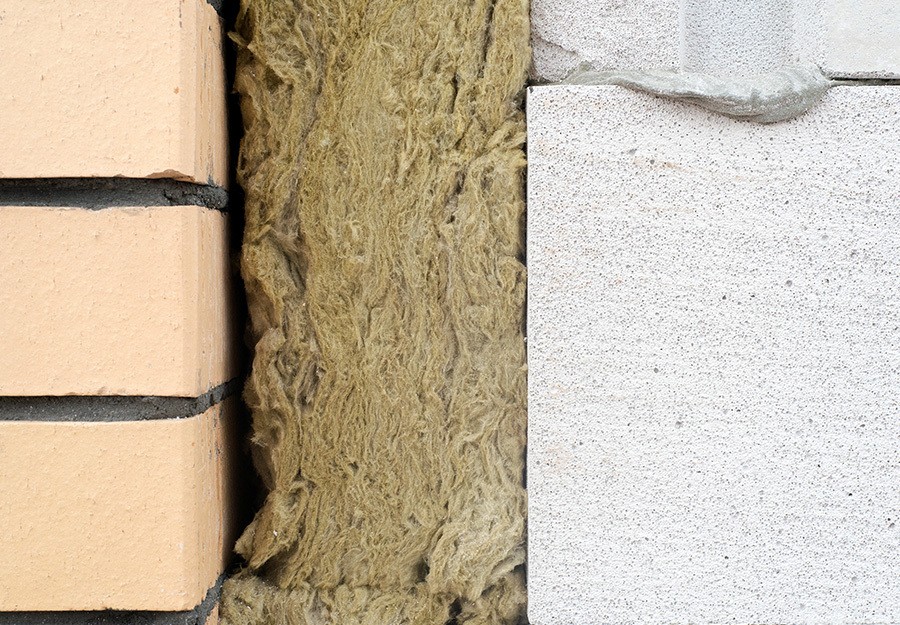
Across the 1990s and early 2000s, millions of homes were fitted with cavity wall insulation through government-backed energy efficiency schemes. Many of these installations continue to perform well. Others have reached a point where the original insulation has degraded or become moisture-affected, creating problems that can impact thermal performance.
For housing providers managing ageing housing stock, understanding the signs of failed cavity wall insulation is becoming an increasingly important part of effective housing asset management.
At Ignite Property Group (IPGL), we support housing associations, local authorities and contractors through our High-Capacity Commercial Retrofit Insulation Services, helping identify, remediate and replace failed insulation systems across large property portfolios.
Why Damp and Mould Remain Under Scrutiny
The spotlight on damp and mould in social housing has intensified in recent years.
The introduction of Awaab's Law places greater emphasis on investigating and resolving hazards within defined timescales, reinforcing the need for housing providers to address the underlying causes of damp rather than repeatedly treating the symptoms.
The Housing Ombudsman spotlight report on damp and mould highlighted that damp and mould remained one of the most common reasons for complaints, with many cases linked to landlords failing to identify and address underlying causes.
For asset managers, this creates an important distinction. Treating mould is important, but it doesn't always solve the root cause. Where cavity wall insulation has failed, moisture and heat loss within the wall structure can continue to create the conditions for damp and mould to return.
Why Older Cavity Wall Insulation Can Fail
Many cavity wall insulation installations completed during the 1990s and early 2000s used materials and installation methods that differ significantly from modern systems.
Over time, some insulation materials can:
- Settle within the cavity
- Create uninsulated voids
- Become contaminated with debris
- Lose effectiveness through degradation
- Retain moisture following prolonged exposure to wind-driven rain
The result is a cavity wall that no longer performs as originally intended.
Instead of acting as an effective thermal barrier, sections of the wall may become vulnerable to cold bridging, heat loss and moisture-related issues.
According to the Energy Saving Trust, up to one-third of heat loss can occur through external walls in an uninsulated property, highlighting the importance of maintaining effective wall insulation performance.
The Link Between Failed Insulation and Damp
When insulation within a cavity deteriorates or becomes moisture-affected, the consequences can extend beyond energy efficiency:
- Cold spots may develop on internal wall surfaces.
- Condensation becomes more likely.
- Mould growth can become more frequent.
- Residents may report rooms that feel difficult to heat despite rising energy consumption.
These issues often appear as isolated maintenance complaints. However, they can indicate a wider building fabric problem affecting multiple properties across an estate.
This is particularly relevant for housing providers managing properties exposed to driving rain, ageing brickwork or historic insulation installations. The challenge is that these defects are rarely visible without further investigation.
Which Properties Are Most at Risk?
Not every insulated property will experience cavity wall insulation failure. However, housing providers may wish to investigate properties that share several of the following characteristics:
|
Potential Risk Factor |
Why It Matters |
| Cavity insulation installed during the 1990s or early 2000s | Older systems may no longer perform as intended |
| Repeated damp and mould complaints | May indicate underlying building fabric issues |
| Persistent cold spots | Can suggest insulation gaps or thermal bridging |
| EPC performance lower than expected | May indicate insulation underperformance |
| Exposed locations | Increased risk of wind-driven rain penetration |
| Recurring heating complaints | Potential sign of thermal inefficiency |
Reviewing existing maintenance records, EPC data and tenant reports can help housing providers identify where further investigation may be required.
Identifying Problems Before Major Remediation
Before specifying extraction or replacement works, housing providers need evidence, which is where commercial thermal imaging surveys can play an important role.
Under BS EN ISO 6781-1:2023, thermal imaging can help identify:
- Areas of heat loss
- Potential insulation voids
- Thermal bridging
- Moisture-related temperature anomalies
- Underperforming building elements
Used alongside property inspections and cavity investigations, thermal imaging provides valuable data that supports informed retrofit decisions.
For housing associations planning wider social housing retrofit programmes, this evidence-led approach helps prioritise investment and avoid unnecessary expenditure.
Why Extraction Is Sometimes Necessary
Where cavity wall insulation has significantly deteriorated, simply adding more insulation may not address the underlying problem. In some situations, the existing material must first be removed before replacement can be considered.
Cavity wall insulation removal involves removing failed insulation and preparing the cavity for a new, compliant system. Following extraction, replacement with modern EPS bonded bead insulation systems can provide:
- High thermal performance
- Resistance to moisture absorption
- Consistent cavity coverage
- Long-term dimensional stability
The Importance of Accreditation and Independent Guarantees
When remediating failed cavity wall insulation across social housing stock, housing providers need confidence that works have been completed correctly and supported by appropriate quality assurance.
Ignite Property Group is approved under the IAA Accreditation Programme for cavity wall insulation removal and remediation works, supporting a structured approach to assessment, installation quality and ongoing assurance.
Where eligible, installations can also benefit from an independent insurance-backed guarantee, providing additional reassurance for asset owners, procurement teams and funding bodies. This creates a clear audit trail, helping demonstrate that remediation works have been completed using approved processes and supported by appropriate quality control measures.
For organisations investing in large-scale commercial retrofit insulation programmes, accreditation and long-term guarantees can play an important role in risk management, compliance and protecting investment across housing stock
Supporting Wider Retrofit Plans
Failed cavity wall insulation is not only a maintenance issue. For housing providers, it forms part of the wider challenge of improving the energy performance and condition of existing housing stock.
Government retrofit initiatives, including the Warm Homes Plan, alongside the principles set out within PAS 2035, reinforce the importance of taking a structured approach to improving building performance.
Identifying and remediating insulation failures can support housing providers by:
- Improving thermal performance across existing housing stock
- Reducing recurring damp and mould issues linked to building fabric defects
- Supporting better tenant outcomes
- Helping target retrofit investment more effectively
For housing associations and local authorities, the priority is understanding the cause of recurring problems and addressing defects within the building fabric before they lead to repeated repairs.
Taking a Proactive Approach to Cavity Wall Remediation
Failed cavity wall insulation can remain hidden for years, yet its impact can be felt across housing stock through damp complaints, heat loss and recurring maintenance issues.
By combining housing data, targeted investigations and evidence-led surveys, housing providers can identify where insulation systems are no longer performing as intended and take appropriate remedial action.
Through our High-Capacity Commercial Retrofit Insulation Services, IPGL supports housing associations, local authorities and principal contractors with commercial thermal imaging surveys, cavity wall insulation removal and large-scale commercial retrofit insulation projects designed to improve the long-term performance of social housing stock.
Contact IPGL to discuss your commercial retrofit requirements.
Related
Infrastructure and High-Capacity Retrofit Delivery
Mobilisation-ready retrofit across Hampshire, Berkshire and London. IPGL’s Euro 6 fleet and 60-mile operational radius ensure high time-on-tool efficiency.
Read More
High-Capacity Retrofit and Insulation Delivery Across the South
An operational overview of our commercial delivery capabilities, including our supply chain role on the Bromford Housing scheme and our direct-delivery partnership with Winchester City Council.
Read More